
icon

Office

Mon - Sat, 9:00 AM - 7:00 PM

icon

Your Email

sales@sancosteels.com

preet@sancosteels.com

icon

Address

Mumbai-400004.
Maharashtra, India.

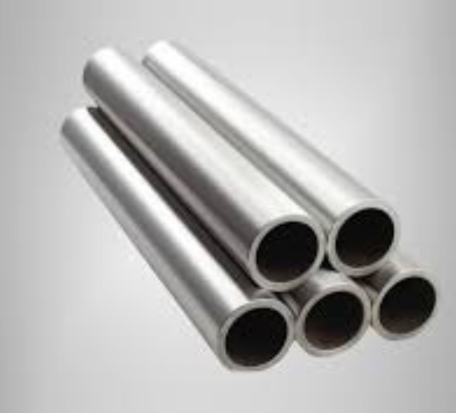
Monel Pipes & Tubes Supplier & Exporter

High quality Monel Pipes and Tubes for offshore, marine, desalination, hydrofluoric acid and chemical processing applications

Monel Pipes & Tubes Supplier & Exporter

Monel pipes and tubes are extensively utilized across offshore platforms, desalination plants, marine engineering systems, hydrofluoric acid processing facilities, refinery units, and chloride-rich industrial environments where long-term corrosion stability and mechanical reliability are critical. Procurement teams operating in aggressive seawater and chemical processing conditions frequently prioritize Monel alloys because conventional stainless steel systems may experience chloride stress corrosion cracking, rapid pitting attack, or premature mechanical degradation under continuous exposure.

Sanco Steel supplies Monel pipes and tubes for high-performance industrial applications requiring ASTM compliance, export traceability, PMI verification, and third-party inspection support for international EPC and process infrastructure projects across the Gulf region, Southeast Asia, Mexico, and Australia.

Monel 400 & Monel K500 Pipes for Seawater, Marine & Chemical Processing Systems

Monel alloys primarily consist of nickel and copper, providing exceptional resistance against seawater corrosion, hydrofluoric acid exposure, alkaline solutions, and high-velocity marine flow systems. Monel 400 is widely utilized for corrosion-focused process systems, while Monel K500 is preferred for applications requiring higher mechanical strength and torque resistance under aggressive operating environments.

Alloy Grade UNS Number Nickel (%) Copper (%) Key Strength Advantage Chloride Resistance Hydrofluoric Acid Resistance Seawater Performance Typical Industrial Usage
Monel 400 N04400 63 Min 28–34 Excellent corrosion resistance Very High Exceptional Outstanding Marine piping systems
Monel K500 N05500 63 Min 27–33 Higher yield & tensile strength Very High Excellent Outstanding Pump shafts & valve systems
316L Stainless Steel S31603 10–14 Moderate mechanical strength Moderate Limited Moderate Utility piping
Duplex 2205 S32205 4.5–6.5 High strength Excellent Limited High Offshore process piping
Inconel 625 N06625 58 Min High-temperature oxidation strength Exceptional Strong Excellent Thermal & subsea systems

Monel alloys are frequently selected for splash-zone marine systems because they maintain corrosion resistance in areas where seawater, oxygen, and salt deposition interact continuously. Offshore operators across the Gulf region often utilize Monel piping in seawater intake, marine cooling, and desalination support infrastructure where chloride concentrations remain consistently high.

Monel Pipe Chemical Composition & Metallurgical Stability

Nickel-copper alloy stability directly influences corrosion resistance, seawater reliability, and mechanical performance under thermal and chemical exposure. Monel K500 additionally incorporates aluminum and titanium to improve precipitation hardening capability and mechanical strength for rotating and high-load systems.

Grade Nickel (%) Copper (%) Iron (%) Manganese (%) Carbon (%) Aluminum (%) Titanium (%) Key Metallurgical Benefit
Monel 400 63 Min 28–34 2.5 Max 2 Max 0.3 Max Exceptional marine corrosion resistance
Monel K500 63 Min 27–33 2 Max 1.5 Max 0.25 Max 2.3–3.15 0.35–0.85 Improved hardness & torque strength
316L Stainless Steel 10–14 Ni Balance 2 Max 0.03 Max General-purpose corrosion resistance
Duplex 2205 4.5–6.5 Ni Balance 2 Max 0.03 Max Higher chloride SCC resistance
Inconel 625 58 Min 5 Max 0.5 Max 0.1 Max 0.4 Max 0.4 Max Extreme oxidation resistance

Higher nickel content allows Monel alloys to resist chloride attack and hydrofluoric acid environments where many stainless steel grades may experience rapid localized corrosion. Monel K500 additionally provides improved structural integrity for dynamic mechanical systems exposed to vibration, rotational stress, and offshore load cycles.

Mechanical Properties of Monel Pipes & Tubes

Mechanical strength remains a critical procurement factor for offshore systems, valve assemblies, marine shafts, and refinery pressure applications. Monel K500 is frequently selected when higher yield strength and improved wear resistance are required in corrosive environments.

Grade Tensile Strength Yield Strength Hardness Elongation Impact Resistance Mechanical Application Focus
Monel 400 550 MPa 240 MPa Moderate High Excellent Marine process piping
Monel K500 965 MPa 690 MPa High Moderate Very High Pump shafts & valve stems
Duplex 2205 620 MPa 450 MPa Moderate High High Offshore process systems
Inconel 625 827 MPa 414 MPa High High Exceptional High-temperature systems
316L Stainless Steel 485 MPa 170 MPa Moderate High Moderate Utility infrastructure

Monel K500 is extensively utilized in mechanical systems requiring both corrosion protection and structural load-bearing capability because precipitation hardening significantly improves tensile strength compared to standard Monel 400.

Monel Pipe Corrosion Resistance in Seawater, HF Acid & Chloride Systems

Corrosion performance remains one of the primary reasons Monel alloys are utilized within offshore, marine, and chemical processing industries. Monel demonstrates exceptional resistance against flowing seawater, hydrofluoric acid, alkaline chemicals, and chloride-rich operating environments.

Operating Environment Monel 400 Performance Monel K500 Performance 316L Performance Key Industrial Concern Recommended Usage
Flowing seawater Exceptional Exceptional Moderate Chloride pitting Offshore piping
Splash-zone marine exposure Outstanding Outstanding Moderate Salt deposition corrosion Marine structures
Hydrofluoric acid Exceptional Excellent Poor Acid attack Chemical processing
Brine concentration systems Excellent Excellent Moderate SCC risk Desalination plants
Mining wastewater Very High Very High Moderate Chloride cracking Australian mining
Offshore refinery systems Excellent Excellent Moderate Long-term corrosion fatigue Gulf projects

Monel alloys are frequently selected for hydrofluoric acid systems because of their ability to maintain corrosion stability where conventional stainless steels may fail rapidly. Offshore engineering systems additionally prioritize Monel due to its resistance against chloride-induced stress corrosion cracking in continuously wet marine conditions.

Monel 400 vs Monel K500 Pipe Selection Guide

Industrial buyers frequently evaluate whether corrosion resistance alone is sufficient or whether additional mechanical strength is necessary for rotating or high-load systems.

Selection Parameter Monel 400 Monel K500 Buyer Decision Logic
Primary focus Corrosion resistance Strength + corrosion resistance Environment vs load requirement
Seawater piping Excellent Excellent Both suitable
Pump shafts Moderate Exceptional K500 preferred
Valve stems Moderate Very High K500 preferred
Hydrofluoric acid systems Exceptional Excellent 400 preferred
Torque resistance Moderate High K500 preferred
Fabrication ease Easier Moderate Depends on machining complexity
Offshore marine structures Strong Exceptional Depends on mechanical load

Projects involving rotating offshore equipment, subsea valves, and marine shaft assemblies generally transition toward Monel K500 because higher yield strength reduces the risk of mechanical deformation under operational torque and pressure loading.

Export Compliance & International Procurement Support

International Monel pipe procurement increasingly depends on documentation accuracy, material traceability, and project-compliant export handling. Sanco Steel supports industrial export requirements for refinery, offshore, desalination, and marine engineering projects across major global regions.

Export Region Procurement Focus Compliance Requirement Industrial Environment Buyer Concern Sanco Steel Export Support
UAE & Saudi Arabia Offshore & desalination Material traceability High salinity marine systems Chloride corrosion Export-ready documentation
Mexico Refinery & marine systems Customs & mill documentation Offshore & petrochemical Customs delays MTC & shipment support
Australia Mining wastewater systems Industrial compliance Chloride-rich slurry systems SCC resistance Seaworthy export packaging
Southeast Asia Marine infrastructure ASTM compatibility Coastal processing systems Corrosion reliability Fast export coordination
Singapore Marine engineering Dimensional consistency High-performance fabrication Inspection compliance PMI verification
Qatar & Oman Offshore processing Pressure system compliance Seawater exposure Long lifecycle reliability TPI coordination

Mexico's industrial import environment increasingly prioritizes accurate mill documentation and shipment traceability for refinery and offshore projects. Gulf-region EPC procurement teams additionally evaluate suppliers based on corrosion performance within high-salinity marine operating environments.

PMI Verification, MTC Certification & Third-Party Inspection Support

Industrial EPC buyers frequently require detailed quality verification before approving Monel pipe systems for offshore and critical process applications. Sanco Steel supports Positive Material Identification (PMI), EN 10204 certification, and third-party inspection coordination for export projects.

Inspection Process Verification Purpose Risk Prevented Industrial Importance Buyer Benefit
PMI Testing Chemical verification Grade mixing Offshore systems Material assurance
Hydrostatic Testing Pressure integrity validation Leakage risk Refinery piping Operational reliability
Eddy Current Testing Surface defect detection Structural weakness Heat exchanger tubes Safer operation
Ultrasonic Inspection Internal defect identification Weld failure Offshore piping Reduced downtime
EN 10204 3.1 Mill certification Traceability risk Standard EPC projects Material confidence
EN 10204 3.2 Third-party witnessed verification Inspection disputes Critical offshore projects Global EPC acceptance
TPI Inspection Independent quality approval Procurement risk International exports Buyer trust

Third-party inspections from agencies such as SGS, TUV, and Bureau Veritas are frequently requested for refinery, offshore, and desalination projects where independent quality validation forms part of the procurement approval process.

Monel Pipe Export Packaging & Global Logistics Support

International marine and refinery projects often require export packaging systems capable of protecting corrosion-resistant alloy materials during long-distance sea freight movement.

Packaging Method Export Purpose Buyer Benefit Export Relevance
ISPM-15 wooden pallets International compliance Customs clearance support Australia & GCC
Plastic end caps Internal contamination prevention Safer process piping Refinery systems
LDPE wrapping Surface protection Reduced transit damage Polished tubes
Heat number marking Batch traceability Easier inspection tracking EPC projects
Moisture desiccants Corrosion prevention Better marine shipment protection Seaworthy exports
Precision cutting support Custom fabrication readiness Reduced onsite machining Heat exchanger projects

Custom cut lengths and export-ready marking systems help reduce installation delays for offshore and heat exchanger projects requiring dimension-specific alloy piping systems.

Monel vs Inconel Pipes for High-Temperature & Corrosive Environments

Monel alloys are widely utilized for seawater, hydrofluoric acid, and chloride-rich chemical systems operating under moderate temperatures. However, applications involving extreme oxidation temperatures, thermal cycling, and high-pressure furnace environments may require nickel-chromium alloys with stronger heat resistance capabilities.

For thermal processing systems, aerospace environments, and high-temperature oxidation service above standard Monel operating conditions, explore our Inconel Pipes & Tubes range designed for aggressive high-heat industrial applications.

Frequently Asked Questions

  • 1. What is the difference between Monel 400 and Monel K500? Monel 400 primarily focuses on corrosion resistance for marine and chemical systems, while Monel K500 provides significantly higher mechanical strength for pump shafts, valve stems, and rotating offshore equipment requiring both corrosion protection and structural load capacity.
  • 2. Why are Monel pipes used in seawater applications? Monel pipes offer exceptional resistance against flowing seawater, salt deposition, chloride attack, and marine splash-zone corrosion, making them highly suitable for offshore platforms, desalination systems, and marine engineering infrastructure.
  • 3. Is Monel suitable for hydrofluoric acid service? Monel is widely considered one of the preferred alloys for hydrofluoric acid handling because of its strong resistance against HF acid corrosion in refinery and chemical processing industries.
  • 4. Do Monel pipes require PMI verification? Positive Material Identification is frequently required for offshore, refinery, and EPC projects to confirm alloy chemistry and eliminate material mix-up risks before installation.
  • 5. Can Monel pipes be exported with EN 10204 3.2 certification? Yes. EN 10204 3.2 certification with third-party witnessed inspection support can be provided for critical offshore, marine, and refinery procurement projects requiring enhanced traceability and independent quality validation.